


Highlights
Highlights
LAOS
NOVEMBER 8 - 17, 2026
HIGHLIGHTS
Our PhotoQuest to Laos is led by Pulitzer Prize-winning photojournalist Deanne Fitzmaurice and is designed for photographers ready to take their storytelling skills to the next level. This is a unique and invaluable workshop for anyone interested in visual storytelling combining cultural immersion, expert mentorship, and hands-on practice in a stunning setting.
This is not just a trip to Laos—it’s a deeply immersive photographic journey designed for portrait and travel photographers who want access and extraordinary visual range. Traveling with Photo Quest Adventures, a female-led company with nearly 20 years of experience and workshops in over 100 countries, you’ll experience Laos at a pace that prioritizes light, story, and genuine connection.
You’ll photograph remote Khmu and Tai Deang minority villages such as Ban Phavie and Ban Sojam, where daily life unfolds much as it has for generations—farmers returning from the fields, elders weaving or preparing food, children playing along riverbanks, and families gathered in stilted wooden homes. These intimate settings offer powerful opportunities for environmental portraits, cultural storytelling, and respectful documentary work rarely accessible to independent travelers.
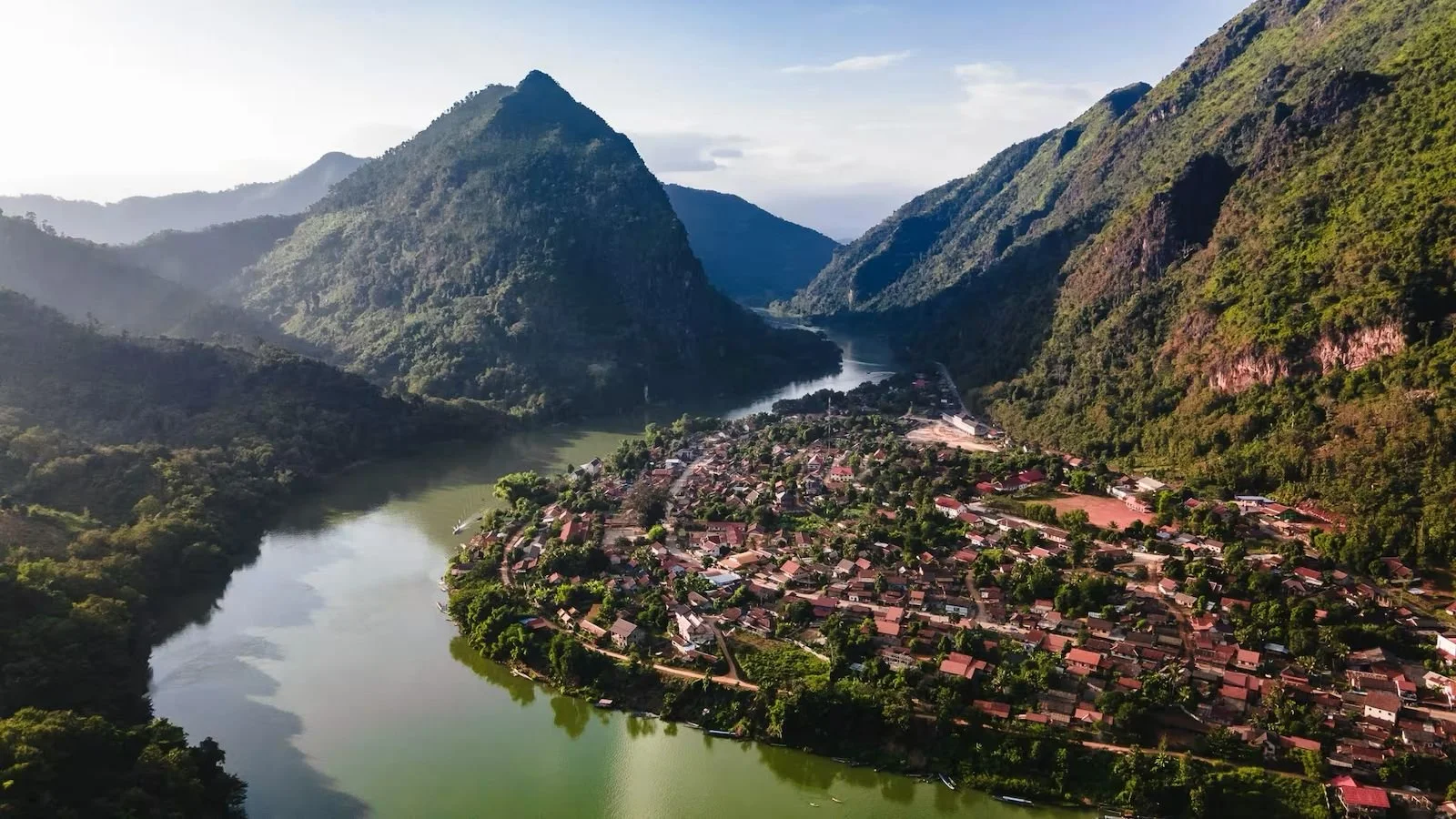
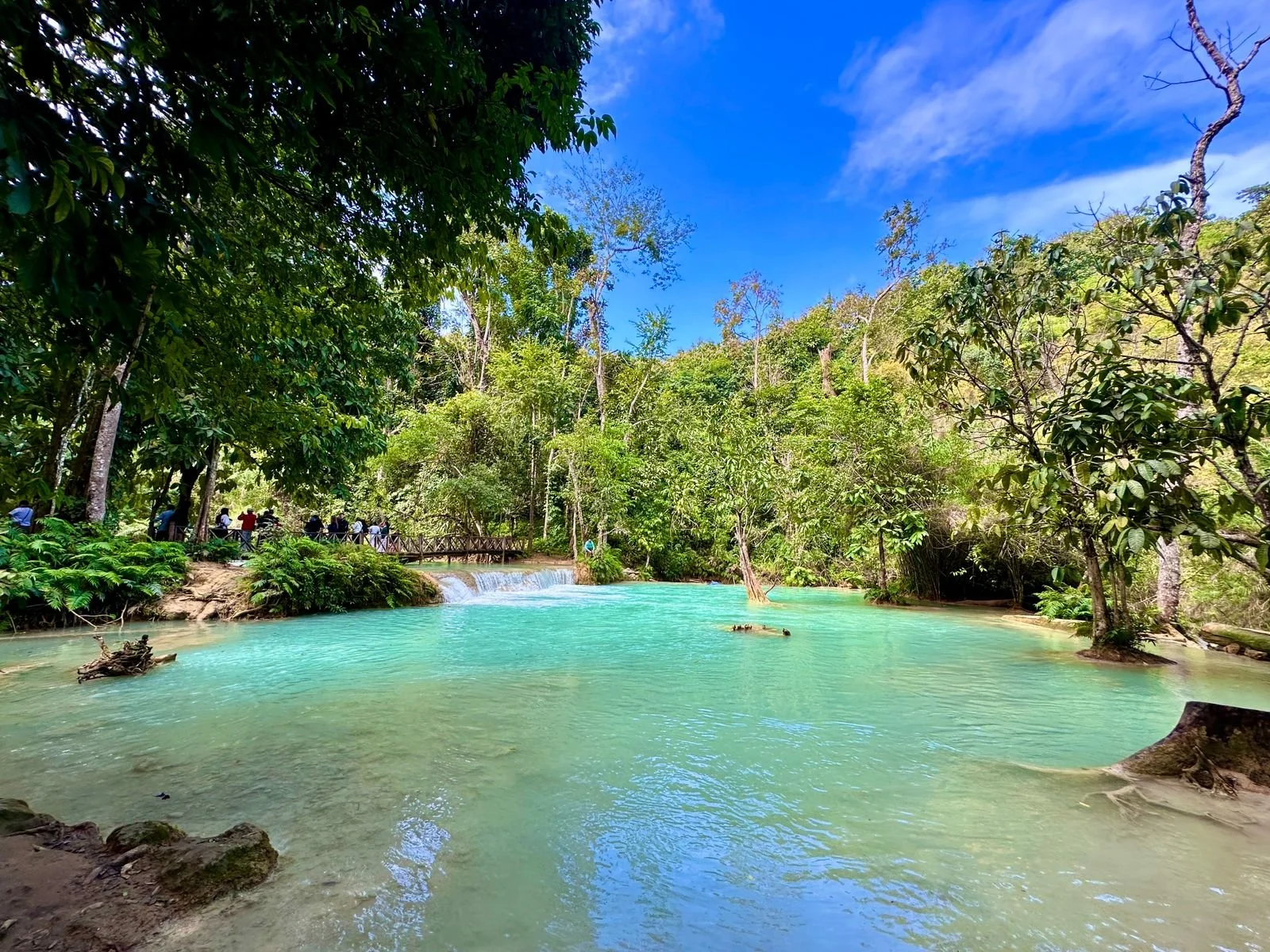
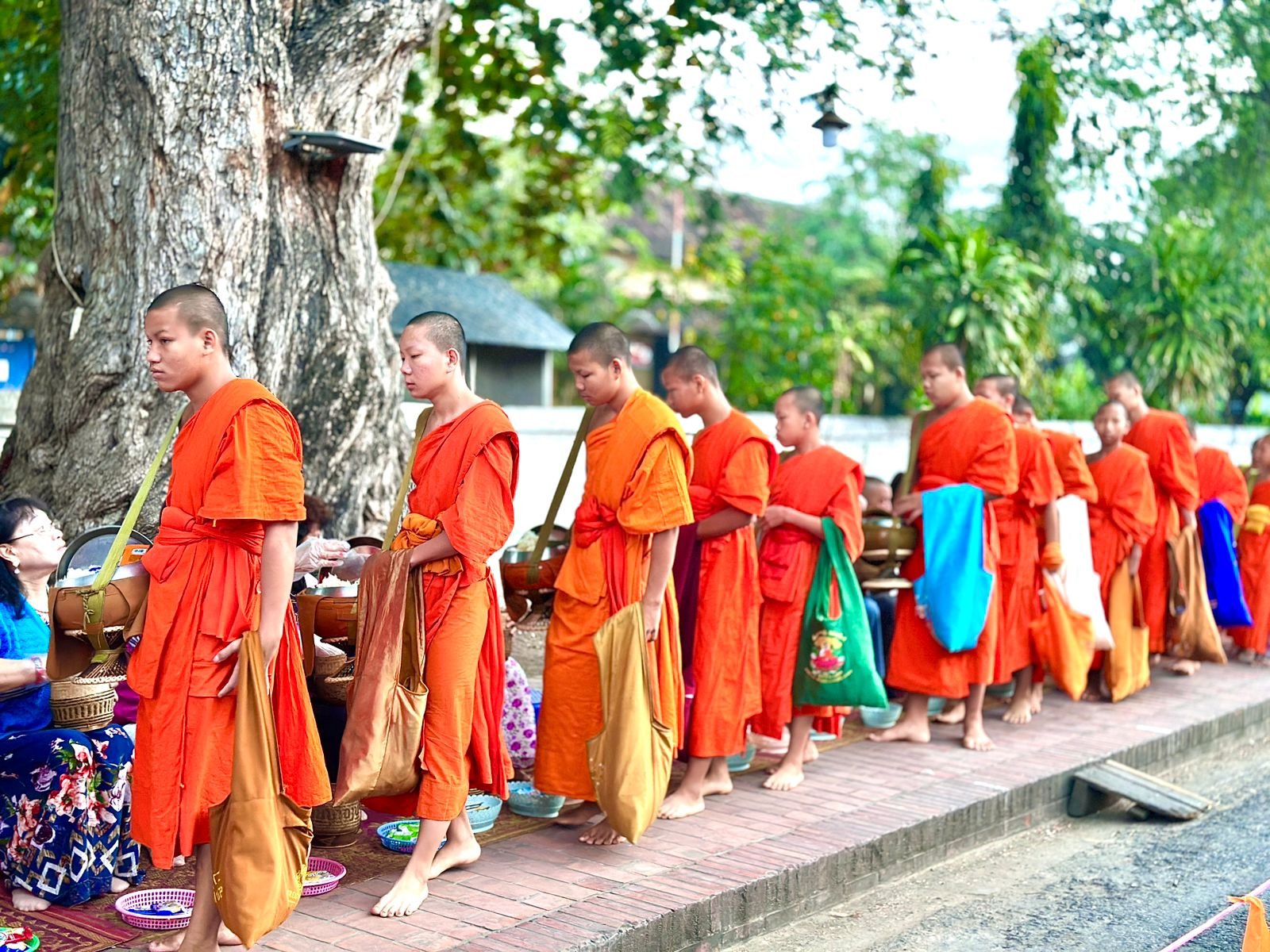
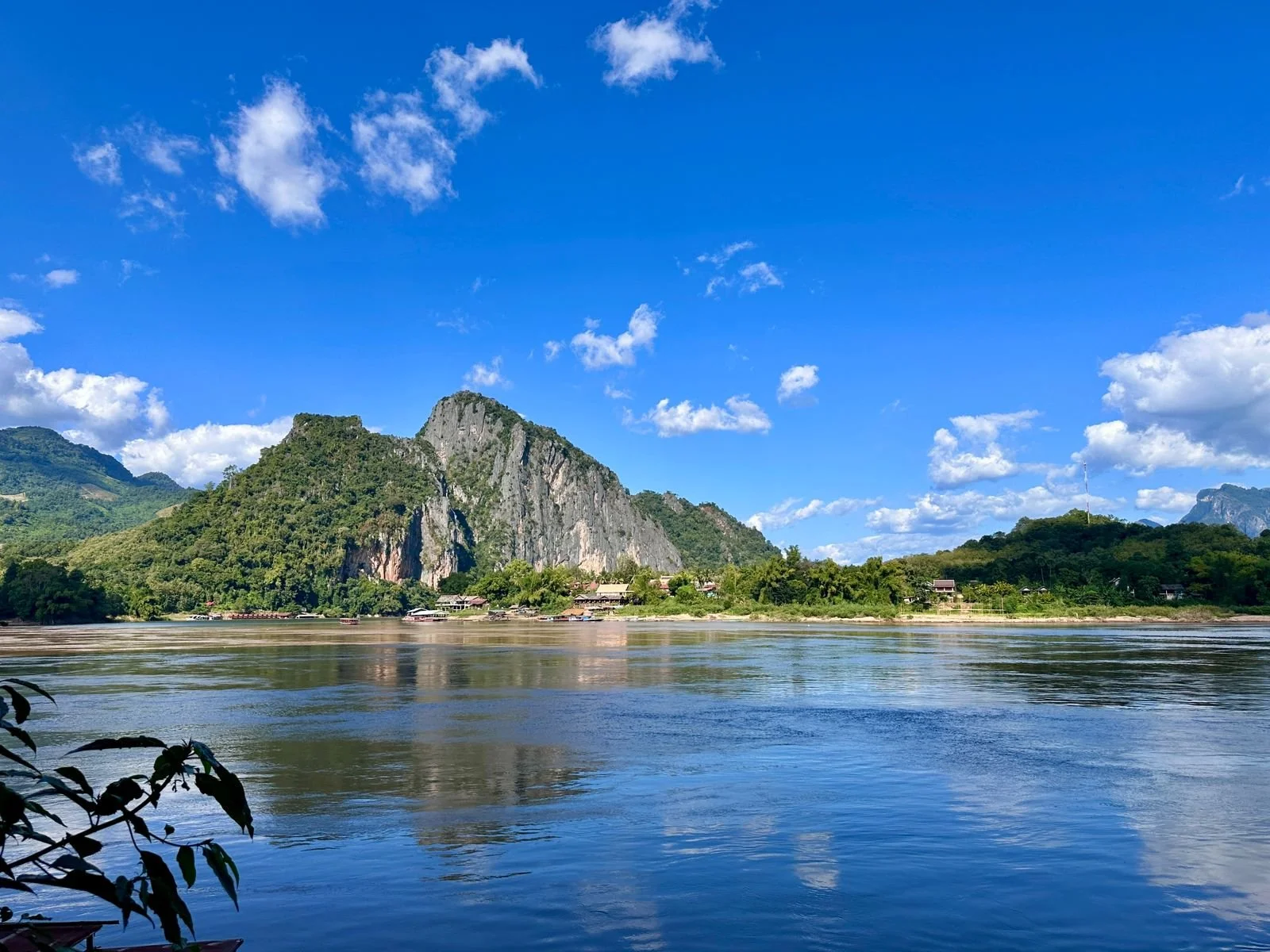
The journey blends people and places seamlessly: golden temples at sunrise, bustling morning markets in Luang Prabang, jungle waterfalls at Kuang Si Falls, mist rising over the Nam Ou River, and dramatic karst landscapes in Nong Khiaw. Along the way, you’ll receive hands-on guidance from expert leaders in portraiture, travel storytelling, night photography, and simple off-camera lighting techniques, all within a small group that allows for meaningful access, thoughtful critique, and unhurried shooting.
This is a Quest for photographers who want more than beautiful scenery—it’s for those who want authentic human connection, visual depth, and a portfolio shaped by real moments in one of Southeast Asia’s most quietly compelling countries.
explore
Explore bustling morning markets
Visit beautiful remote villages
Capture cascading waterfalls
discover
Photograph striking golden temples
Learn about daily life for farmers and families
learn
Story telling and sequencing your images.
Focus on environmental portraits and night photography
Itinerary
Itinerary
LAOS
NOVEMBER 8 - 17, 2026
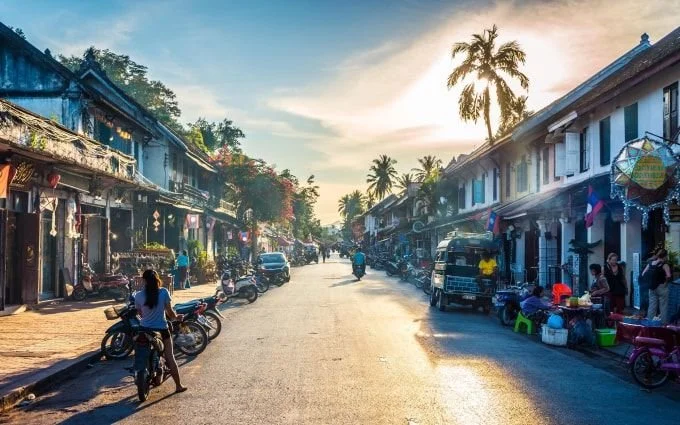
November 8 | Depart the USA
Overnight flight en route to Laos.
November 9 | Arrival in Vientiane
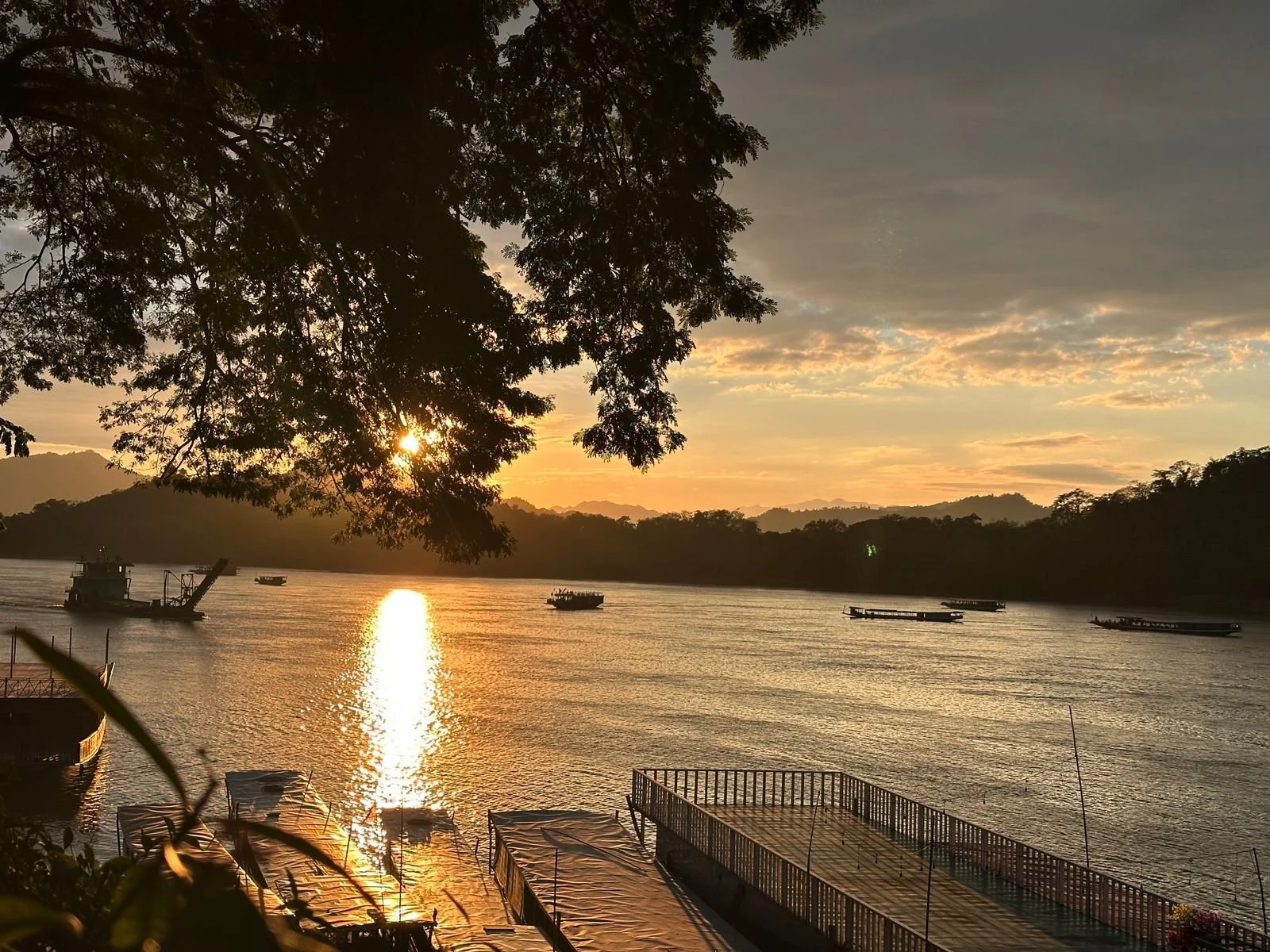
Upon arrival at Wattay International Airport, you’ll be warmly greeted by our local guide and transferred to your hotel. After check-in, the rest of the day is at leisure—perfect for recovering from travel or taking a gentle first walk to observe street life, river scenes, and evening light along the Mekong. Overnight: Vientiane
November 10 | Vientiane – Cultural & Architectural Photography
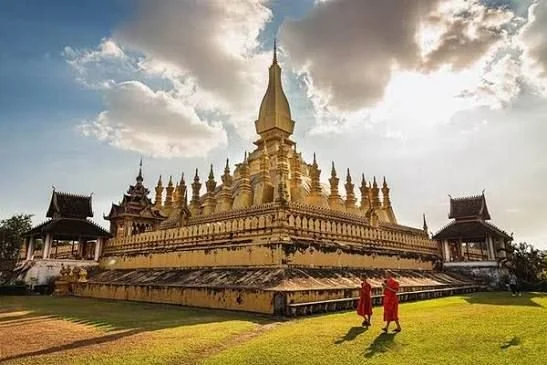
After breakfast, we embark on a full-day, photography-focused exploration of Vientiane. Our lens will capture the intricate details and symmetry of Wat Sisaket, the city’s oldest surviving temple, renowned for its thousands of miniature Buddha statues. At Wat Phra Keo, the former royal temple that once housed the Emerald Buddha, we’ll find rich textures and historical grandeur to frame. The imposing Patuxay Monument, Vientiane’s version of the Arc de Triomphe, offers striking architectural lines and expansive cityscape panoramas. We then move to the sacred That Luang Stupa, the nation’s most important monument, where the golden details and spiritual ambiance provide captivating photographic opportunities. In the afternoon, we visit Buddha Park, approximately 25 kilometers away, a surreal riverside garden filled with over 200 Buddhist and Hindu sculptures—perfect for wide-angle storytelling, graphic contrasts, and creative compositions. As evening falls, the vibrant Vientiane Night Market awaits, offering rich chances to capture local life, colorful food stalls, and evocative night portraits. Overnight in Vientiane.
November 11 | Vientiane – Train to Oudomxay – Namkat Yorlapa
After breakfast, we transfer to the train station for our scenic rail journey north to Muang Xay (Oudomxay Province). Upon arrival, we will photograph Phu That Stupa (Xaymungkhun Ratanamingmuang Stupa), perched on a hilltop in the heart of town. This location offers excellent elevated views and a strong sense of place.
We then continue to Namkat Yorlapa Resort, a stunning eco-sanctuary surrounded by lush forest, waterfalls, and dramatic landscapes. Check in and enjoy time at leisure. Overnight: Namkat Yorlapa Resort
November 12 | Minority Villages, Rice Terraces & Waterfalls
This morning we will head toward Muang La, traveling along the Nam Pak River, where rice terraces and lush countryside create beautiful layered compositions. From Pak Khai, we begin a 3–4 hour guided trek through primary forest and rural paths. Along the way, we meet local farmers and learn about traditional fishing, hunting, and daily life—offering meaningful opportunities for respectful environmental portraits.
We reach Ban Phavie, a Khmu minority village perched on a hilltop. After a picnic lunch, we continue to nearby waterfalls, perfect for long exposures and nature photography. Overnight: Namkat Yorlapa Resort
November 13 | Namkat Yorlapa – Nong Khiaw
After breakfast, we will depart by road (approx. 4 hours) toward the dramatic karst landscapes of Nong Khiaw. Along the way, we will stop at:
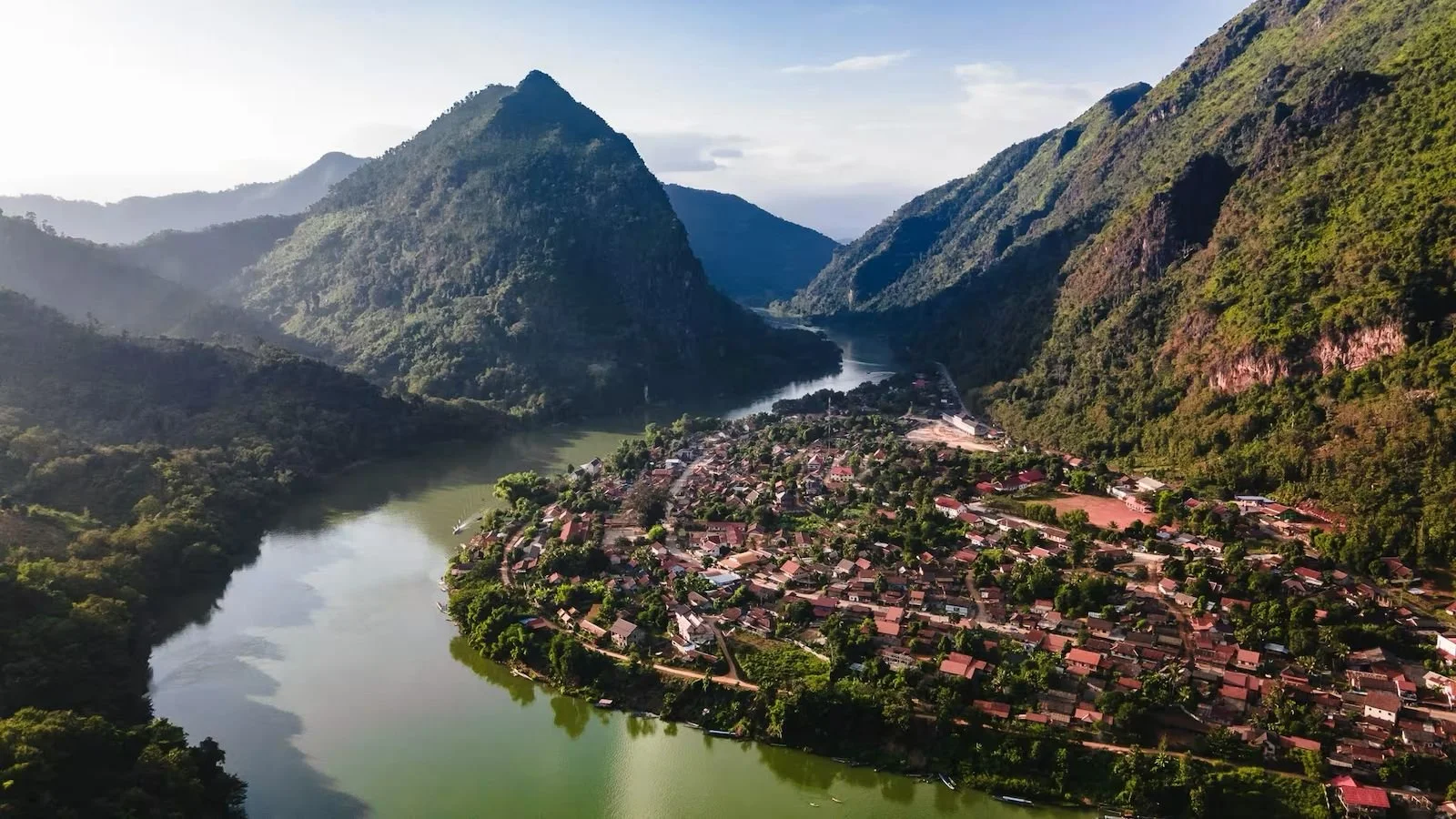
A traditional weaving village, ia small local workshop producing Nam Ou river weed, a unique Laotian specialty. Upon arrival in Nong Khiaw, we explore Pathok Cave, a historic site with atmospheric interiors and strong light contrasts. Later, we hike up to Somnang Viewpoint, offering sweeping views of the Nam Ou River winding through towering limestone mountains—one of the most iconic photographic vistas in northern Laos.
Check-in and free time to photograph sunset and blue hour from riverside viewpoints. Overnight: Nong Khiaw
November 14 | Nam Ou River Cruise & Remote Villages
This morning, we will board a traditional longtail boat for a scenic cruise along the Nam Ou River (approx. 1.5 hours), passing dramatic karst cliffs and riverside villages.
Our first stop is Ban Sojam, a Thai Deang village known for its preserved way of life. The community relies on farming, fishing, and hunting offering authentic cultural portrait opportunities.
We continue by boat to Sop Kong, a Khmu village along the riverbank. From here, we trek through rice paddies and farmland into the jungle, reaching the beautiful Tadmok Waterfall, where we spend time photographing the landscape.
In the afternoon, we will return to Nong Khiaw by boat. Overnight: Nong Khiaw
November 15 | Luang Prabang – City & Temple Photography
Today is dedicated to photographing Luang Prabang’s most iconic temples and historic architecture, with a focus on light, composition, and cultural detail.
Wat Visoun & That Makmo Stupa
Begin at Wat Visoun, home to the distinctive That Makmo (Watermelon Stupa). Its rounded, Sinhalese-influenced form offers strong graphic shapes and minimal compositions—excellent for architectural details and wide contextual shots.
Wat Aham
A quieter, spiritually significant temple that provides opportunities for intimate documentary-style images and cultural context.
Wat Xieng Thong (Vat Xiengthong)
The most photographed temple in Luang Prabang and for good reason. Located at the tip of the peninsula near the confluence of the Mekong and Nam Khan Rivers.
Wat Sene Souk Haram (“Temple of 100,000 Treasures”)
Known for its deep ochre façade accented with gold. This temple is particularly striking in softer light and offers beautiful color contrast and surface detail.
Afternoon – Royal & Cultural Heritage
Former Royal Palace (National Museum)
Photograph the exterior and grounds of the former Royal Palace, which blends traditional Lao and French colonial architecture. (Interior photography may be restricted.)
Wat Mai
Renowned for its intricate gold bas-relief panels, especially beautiful for detail photography. During Lao New Year, this temple plays a central ceremonial role, adding historical significance to your images. Overnight in Luang Prabang
November 16 | Luang Prabang – Kuang Si Waterfalls & Rural Life
After breakfast, photograph Phousi Market with its early-morning activity, food preparation, and candid moments, with opportunities for environmental portraits. Travel through lush rice paddies, farmland, and small villages en route to Kuang Si Waterfalls, one of Laos’ most spectacular natural sites. Photograph cascading falls over limestone terraces into vivid turquoise pools—ideal for long exposures, wide landscapes, and detailed studies of water and mineral formations. Visit the Bear Rescue Center for responsible wildlife photography, and explore forest trails offering macro and nature images, including orchids and dense foliage. On the return to Luang Prabang, stop at a local village for documentary-style photography of rural life. Overnight in Luang Prabang.
November 17 | Luang Prabang – Departure
Transfer to Luang Prabang International Airport for departure.
Lodging
Lodging
LAOS
NOVEMBER 8 - 17, 2026
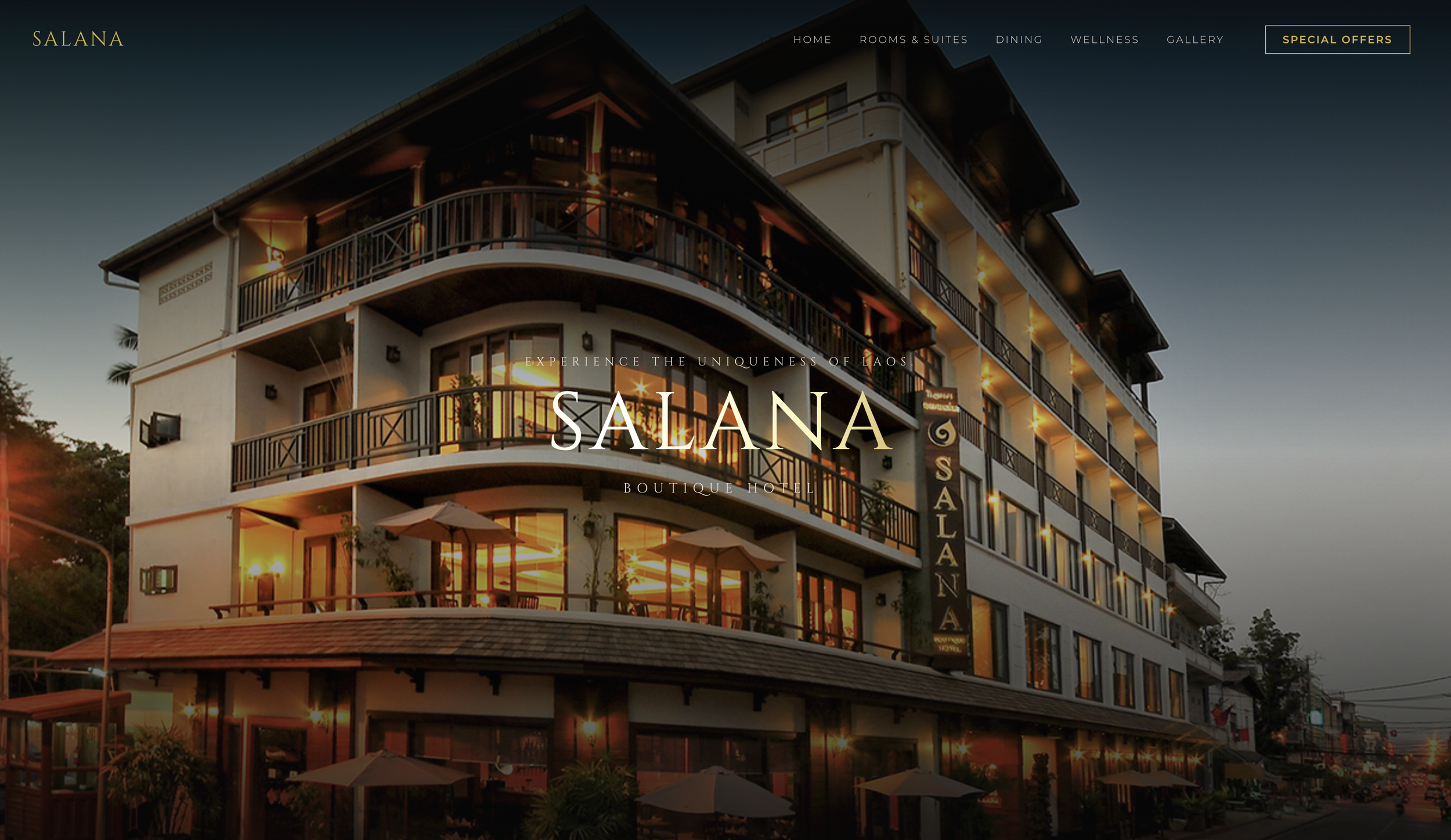
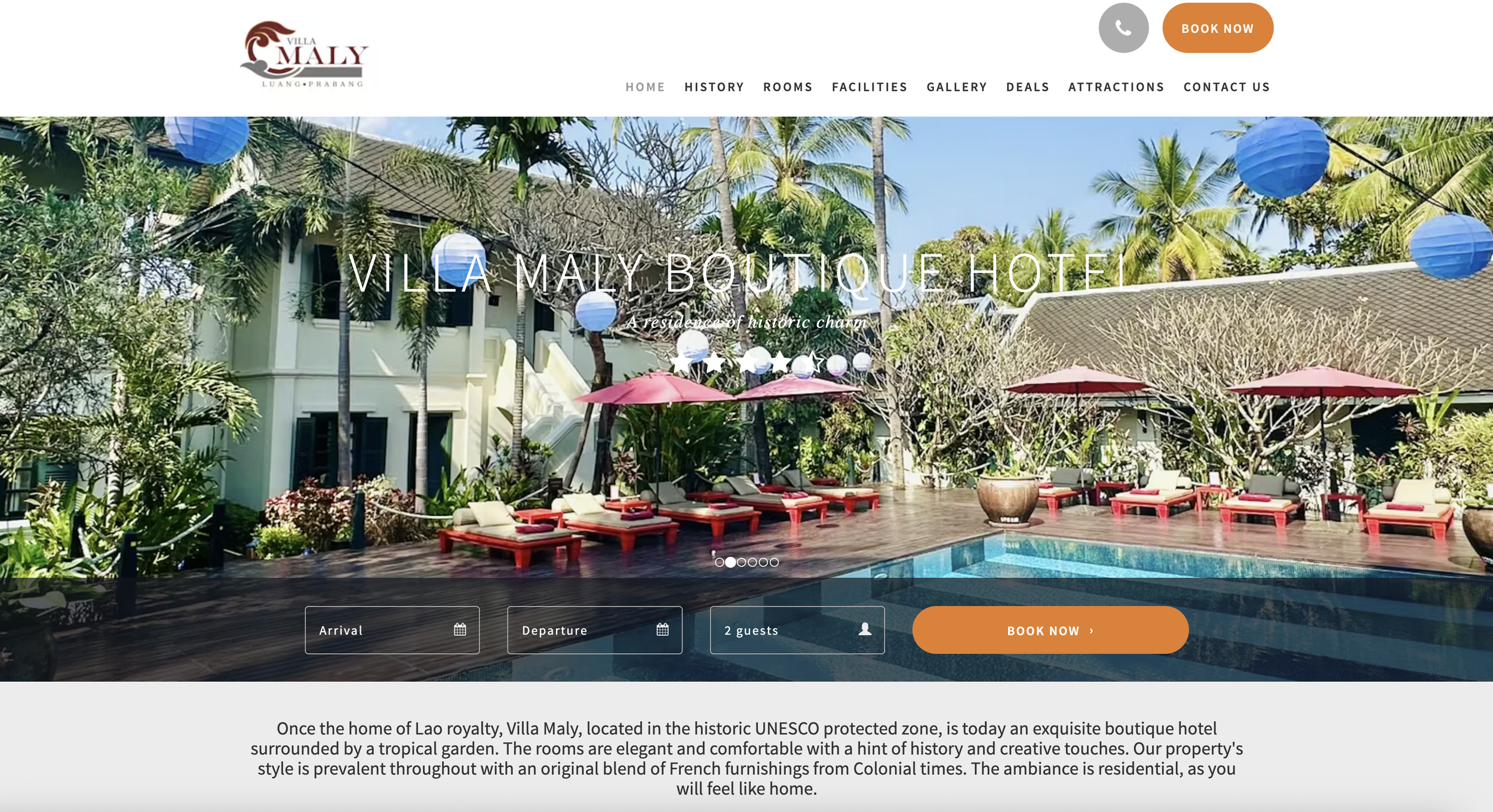
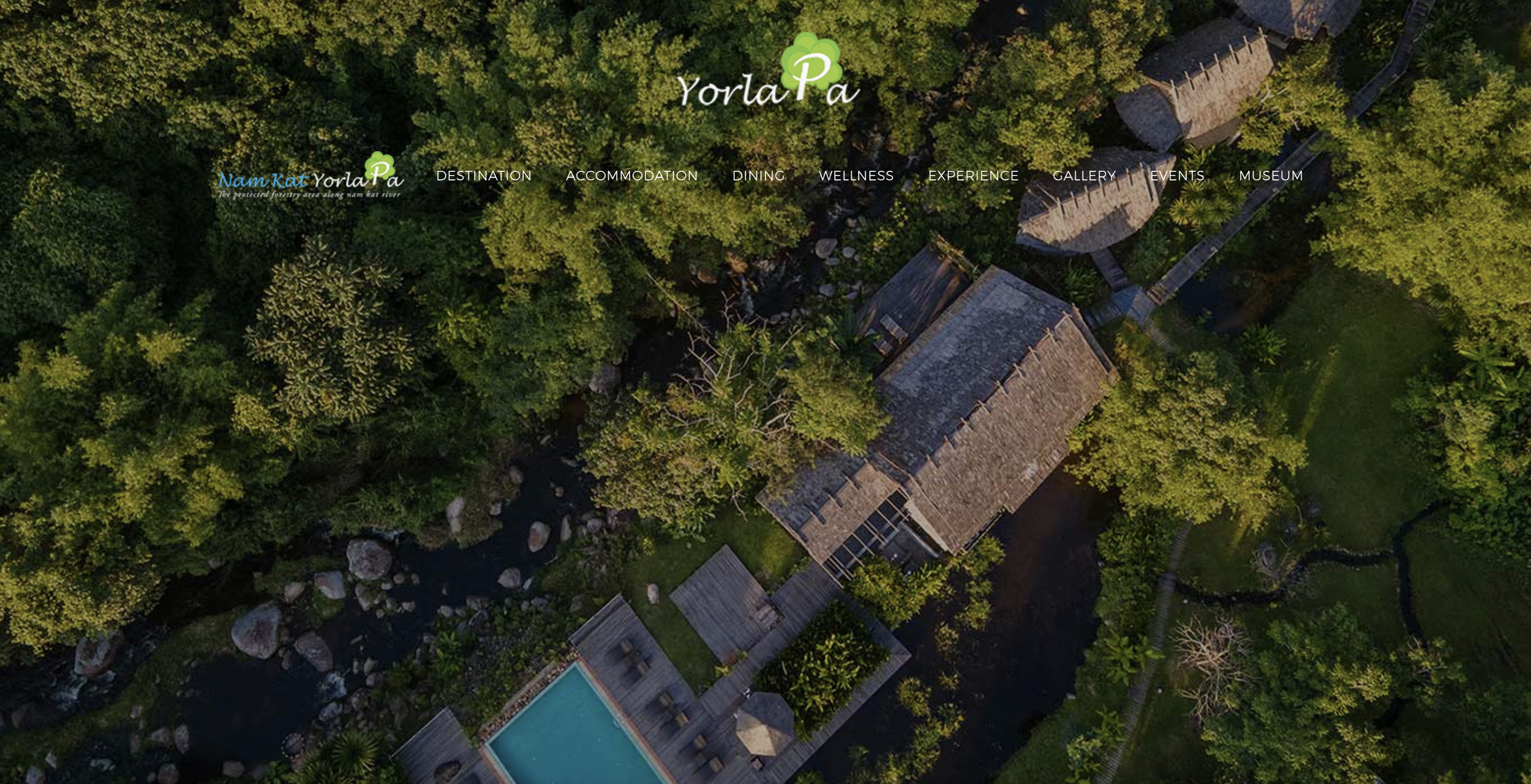
Nam Kat:
Namkat Yorlapa Resort 4* Deluxe
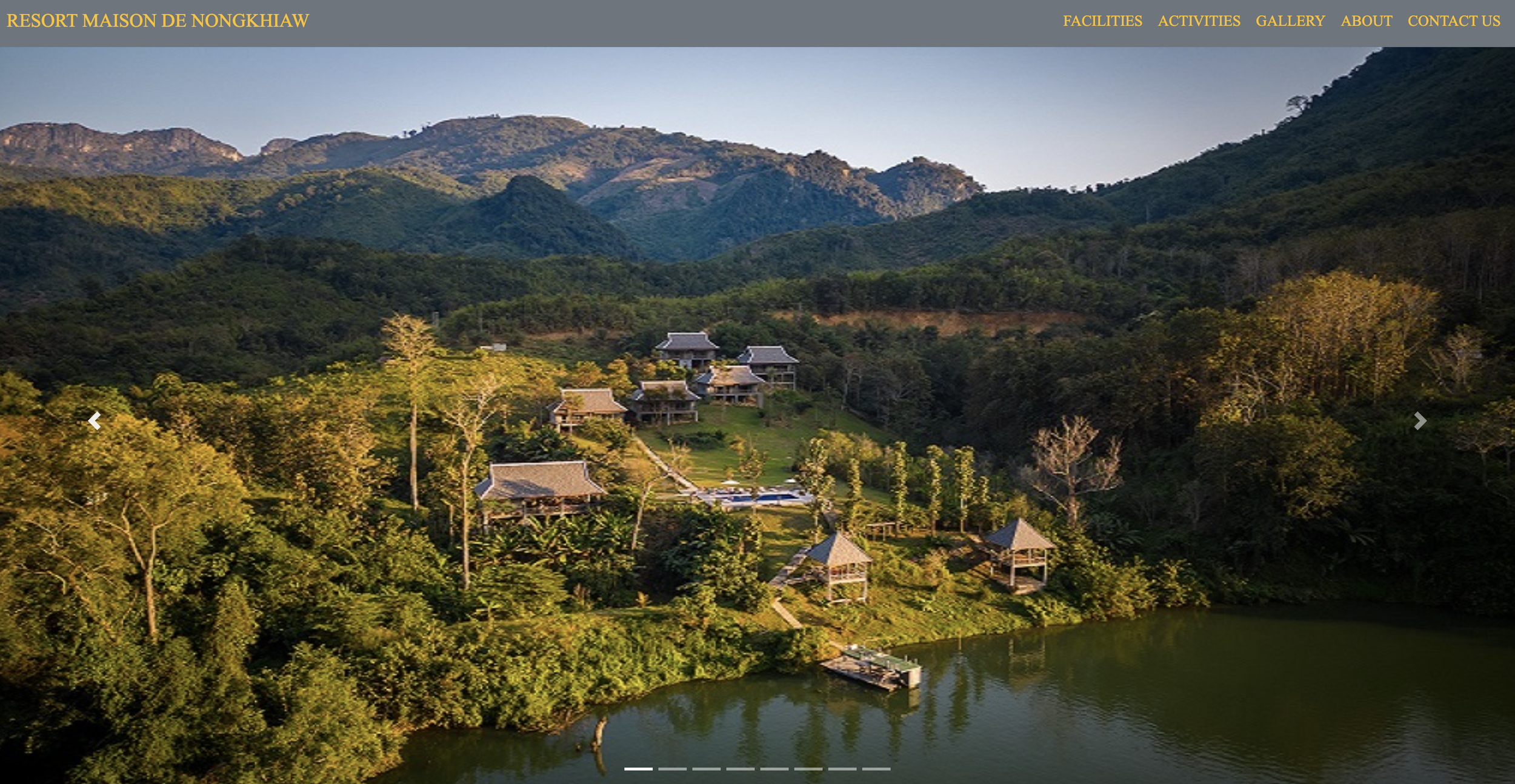
Nong Khiaw:
Maison de Nong Khiaw 3* Nature Suite
Quest Leaders
Quest Leaders
LAOS
NOVEMBER 8 - 17, 2026

MIRJAM EVERS
Mirjam Evers is a New York City based travel photographer who specializes in travel images, portraiture, landscape photography and adventure images. Born and raised in the Netherlands, Evers has photographed in more than 90 countries, including many of the most exotic places in the world. Evers' photographs are indicative of her unique capacity to personally connect with diverse cultures and communities. Her eye for location lighting is highly stylized and works to illustrate and heighten the unique characteristics of each international locale. She is able to transcend cultural and language barriers with an intangible spirit that is conveyed in every image. Evers is one of the founders of Photo Quest.
Selected Publications: AFAR, The New York Times, The Washington Post, Departures, Golf Magazine, AARP, Outdoor Photographer, Outside Magazine, PDN, American Photo, Popular Photography, Digital Photo, MSN Travel and Town & Country Magazine.

DEANNE FITZMAURICE
Deanne is a Pulitzer Prize winning documentary photographer and multimedia storyteller based in San Francisco, California. She is a regular contributor to Sports Illustrated and ESPN the Magazine, and has been published in TIME, Newsweek, The Economist, Stern, and GEO. Deanne’s work has received awards from Pictures of the Year International, NPPA Best of Photojournalism, and the Casey Medal for Meritorious Journalism. Her imagery is part of the permanent collection at the Newseum, and their traveling exhibition of Pulitzer winning photographs. Additionally, her work has been exhibited at Visa pour L’Image in Perpignan, France, and with UNICEF Photo of the Year. When not on assignment, Deanne often lectures and teaches workshops.
Facts
Facts
LAOS
NOVEMBER 8 - 17, 2026
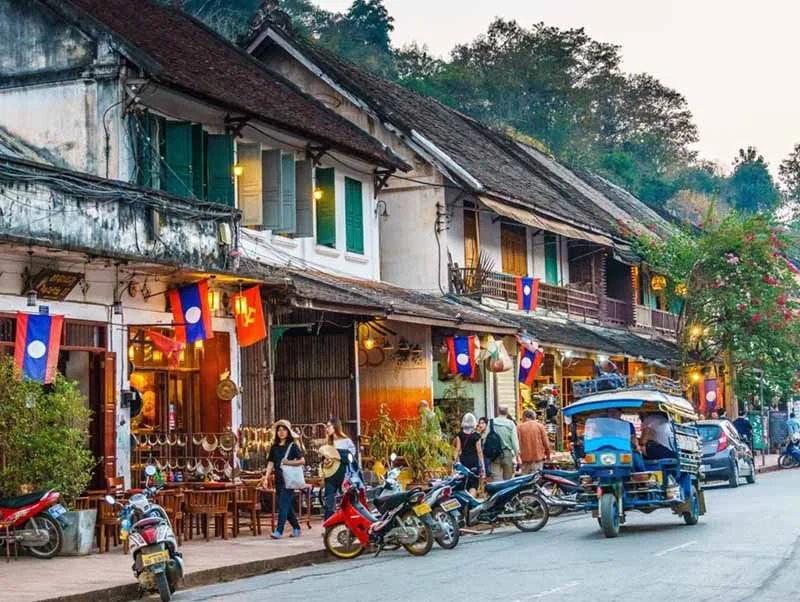
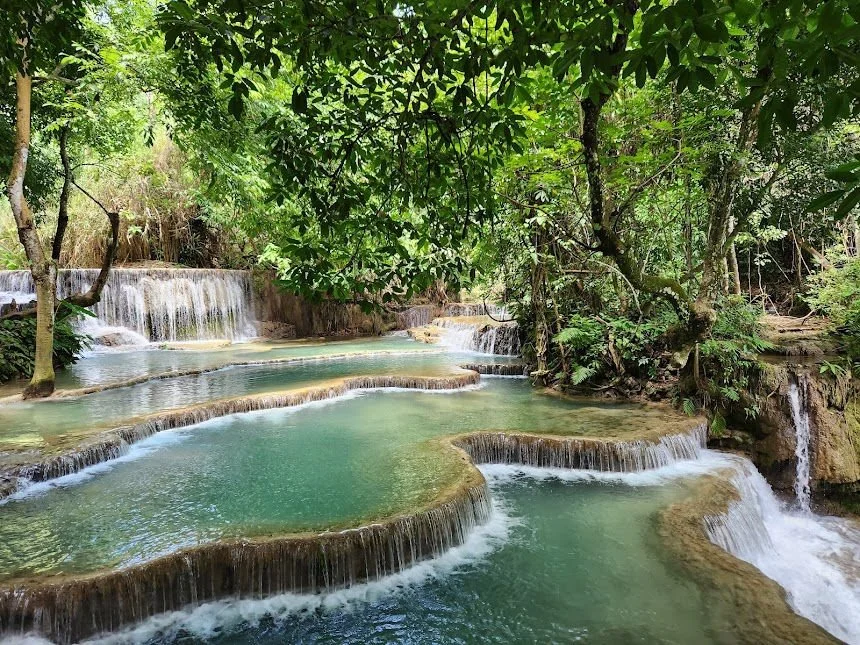
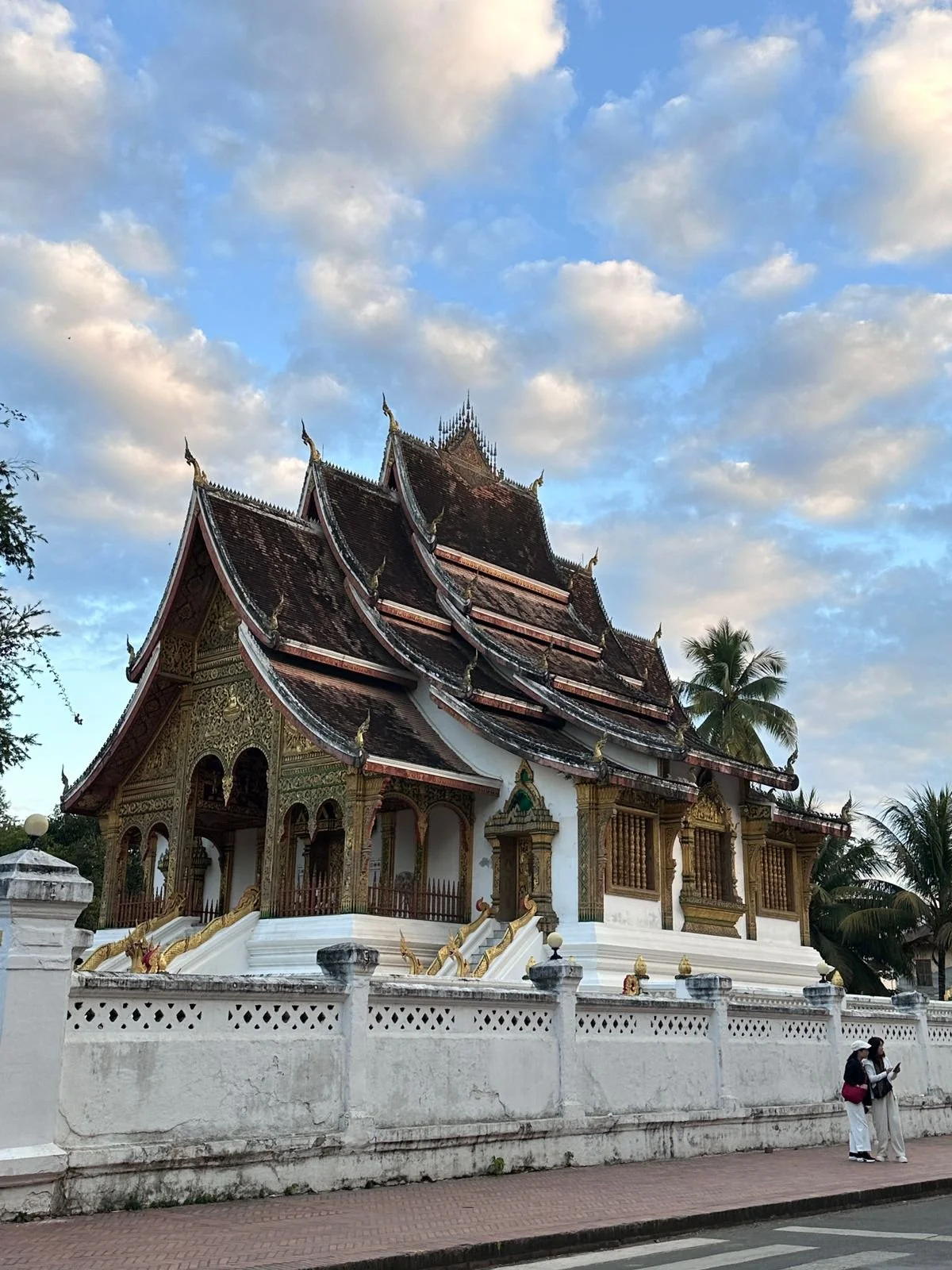
ABOUT LAOS:
Laos is one of Southeast Asia’s most quietly captivating countries—rich in culture, deeply traditional, and largely untouched by mass tourism. From misty river valleys and jungle-covered mountains to golden temples and remote ethnic villages, Laos offers photographers rare access to authentic daily life and striking natural beauty. This journey moves at a thoughtful pace, allowing time to connect with people, respond to light, and create meaningful visual stories in places few travelers reach.
PASSPORTS & VISAS
Your passport must be valid for at least six months beyond your travel dates and have at least one blank page. Most travelers can obtain a Visa on Arrival or e-Visa for Laos. Visa fees typically range from USD $40–$45, payable in cash (USD recommended).
Requirements may vary by nationality, so we strongly encourage checking with your local Lao embassy or official government website prior to departure.
How to get to LAOS
The main international gateway to Laos is Wattay International Airport (VTE), located just outside the capital city, Vientiane. While there are no direct flights from the USA to Laos, the most convenient routes typically involve connecting flights through major Asian hubs such as Bangkok (BKK), Hanoi (HAN), or Ho Chi Minh City (SGN). From these cities, multiple daily flights are available to Vientiane, making it relatively easy to reach Laos with one or two connections. Many travelers from the U.S. fly first into Bangkok, which offers the most frequent and flexible connections to Laos via carriers like Thai Airways and Lao Airlines.
ELECTRICITY
Laos uses 220V electricity with Type A, B, C, E, and F plugs.
FOOD
Laotian cuisine is fresh, flavorful, and deeply rooted in local ingredients and traditions. Meals often feature sticky rice, fresh herbs, grilled meats, seasonal vegetables, and river fish, with subtle influences from Thai, Vietnamese, and French cooking. Most meals on this trip will be enjoyed at trusted local restaurants or hotels, offering both authenticity and comfort. Vegetarian options are generally available with advance notice, and we are happy to accommodate dietary restrictions whenever possible if informed ahead of time.
What to Expect
This journey is an immersive photography workshop designed for travelers who enjoy active days and meaningful cultural experiences. Moderate hiking is included, particularly when visiting minority villages and waterfalls, with some walks lasting three to four hours on uneven terrain. Early mornings and golden-hour shooting sessions are common, and travel days may include longer drives or train journeys, balanced by extended stays in carefully chosen locations. Accommodations range from comfortable hotels to eco-lodges in remote settings. Participants should be comfortable carrying camera gear, walking on dirt paths, and adapting to changing weather and light conditions. Above all, expect exceptional photographic access, warm hospitality, and a deeply rewarding experience in one of Southeast Asia’s most visually and culturally rich countries.
ETHNIC MINORITY COMMUNITIES YOU WILL PHOTOGRAPH
Laos is home to over 49 officially recognized ethnic groups, many of whom continue to live traditional, rural lifestyles. This workshop offers rare, respectful access to several minority communities in northern Laos, with a strong emphasis on cultural sensitivity, permission, and meaningful engagement.
During the trip, we will spend time photographing:
Khmu Communities (Ban Phavie region)
One of the largest minority groups in Laos, the Khmu are traditionally farmers and forest dwellers. Villages are often located in hilly, forested areas, with wooden stilt houses and daily life centered around agriculture, weaving, food preparation, and communal gatherings. This is an excellent setting for environmental portraits, lifestyle storytelling, and intimate documentary work.
Tai Deang (Black Tai) Village – Ban Sojam
Located along the Nam Ou River, this remote village is home to the Tai Deang people, known for their distinctive dark indigo clothing, river-based livelihoods, and strong cultural traditions. Photographers will have opportunities to capture river life, fishing practices, village scenes, and portraits in a setting that remains largely unchanged by tourism.
We photograph with permission, move in small groups, and engage with local guides who have long-standing relationships in these communities. This allows for genuine moments rather than staged interactions—resulting in images that are both visually compelling and culturally respectful.
Quest Gear
Quest Gear
LAOS
NOVEMBER 8 - 17, 2026
Recommended gear
Computer / Digital Accessories
Laptop with charger and Photoshop CS6 and Lightroom or Photomechanic (not mandatory)
Portable hard drives like Lacie hard drives
Card reader
All cables for drives, computer, card readers, storage devices, etc.
Power converters/adapters for all international quests
Other
Cover for camera (for shooting in the rain); Fotosharp makes simple, inexpensive covers
Lightweight tripod (carbon fiber)
Cable release (for night shots)
Small headlamp and flashlight
Camera Gear
Camera and extra body SLR
Battery charger
Extra batteries
Memory cards (bring plenty)
Sensor cleaning supplies
Flash with plenty of batteries
Wireless transmitter for flash
Lenses
24-70mm for portraits
70-200mm lens for portraits.
Polarizing filter(s)
Lens hoods for all lenses
Lint-free cloth to clean lenses and blower ball for dust
Lensbaby if you have one (or else you can try ours)
Pricing
Pricing
LAOS
NOVEMBER 8 - 17, 2026
Cost per person
$6900 based on double occupancy. Single supplement is an additional $1650.
PQA will try to match you with a roommate if you do not opt for a single supplement. However, if a roommate is not available, you will be charged the additional single supplement fee.
Limited to 6 participants.
Not included
International and domestic flights
Visa fee & Travel insurance
Meals non-mentioned and beverage
Personal expenses, bank fees
Included
Laos speaking guide
Accommodation as mentioned
Train ticket Vientiane – Muang Xay (one way)
All private transfers in vehicle with air-conditioning
Meals as mentioned in the program
All entrance fees during the sightseeing
All excursions, cruises and activities as
mentioned in the program
Service charged & Government tax
Please note that travel and cancellation insurance is mandatory for every guest traveling with Photo Quest Adventures. All insurance is solely the responsibility of our guests. Please ensure you arrange your own insurance with protection for the full duration of your journey to cover personal injury, damage and loss of personal items including but not limited to camera equipment and other electronic items, medical expenses, repatriation expenses and loss of luggage, etc. Medical Evacuation Insurance (required). Travel Medical and Trip Cancellation Insurance (optional, but recommended).