

TONGA
July 19 - 25, 2027
ABOUT Tonga:
Tonga, known as the “Friendly Islands,” is a remote Polynesian kingdom in the South Pacific renowned for its pristine beaches, vibrant culture, and incredible marine life—making it a truly inspiring destination for photographers and adventurers alike.
Travel Essentials
The main international gateway is Fuaʻamotu International Airport (TBU) near the capital, Nukuʻalofa. From the USA, travelers typically connect through major hubs such as Los Angeles, Auckland, or Sydney, with onward flights to Tonga. While there are no direct flights from the U.S., these routes offer the most convenient and frequent connections.
Passport & Visa
Visitors to Tonga must hold a valid passport with at least six months’ validity beyond the date of entry. Many nationalities, including U.S. citizens, can obtain a visa on arrival for stays up to 31 days. Visa fees vary but are generally modest; be sure to check current regulations before traveling.
Cuisine
Tongan cuisine emphasizes fresh, local ingredients with a delicious blend of Polynesian flavors. Expect meals featuring staples like taro, cassava, fresh seafood, tropical fruits, and coconut. Traditional dishes often include roasted meats, fish, and root vegetables cooked in an earth oven called an “umu.” Most meals on tours are served at trusted local restaurants or resorts, and vegetarian options are generally available with prior notice.
Weather in Late July
July falls within Tonga’s dry season and is considered one of the best times to visit. Expect mild, comfortable temperatures typically ranging from the mid-70s to mid-80s °F (24–29°C). The weather is generally sunny with low humidity and minimal rainfall, creating ideal conditions for outdoor activities and underwater photography. Evenings can be pleasantly cool, so layering light clothing is recommended.
Tonga’s climate is pleasantly mild, cooler and less humid than nearby Fiji or Samoa. The best travel months are during winter (June to September), with daytime temperatures generally ranging from the high 70s to low 80s (°F). Weather can change quickly, from bright sunshine to rain showers within hours. It can feel chilly when out on the boat, so layering is recommended. Mosquitoes are less active in winter but bringing insect repellent for evenings is advisable.
What to Expect
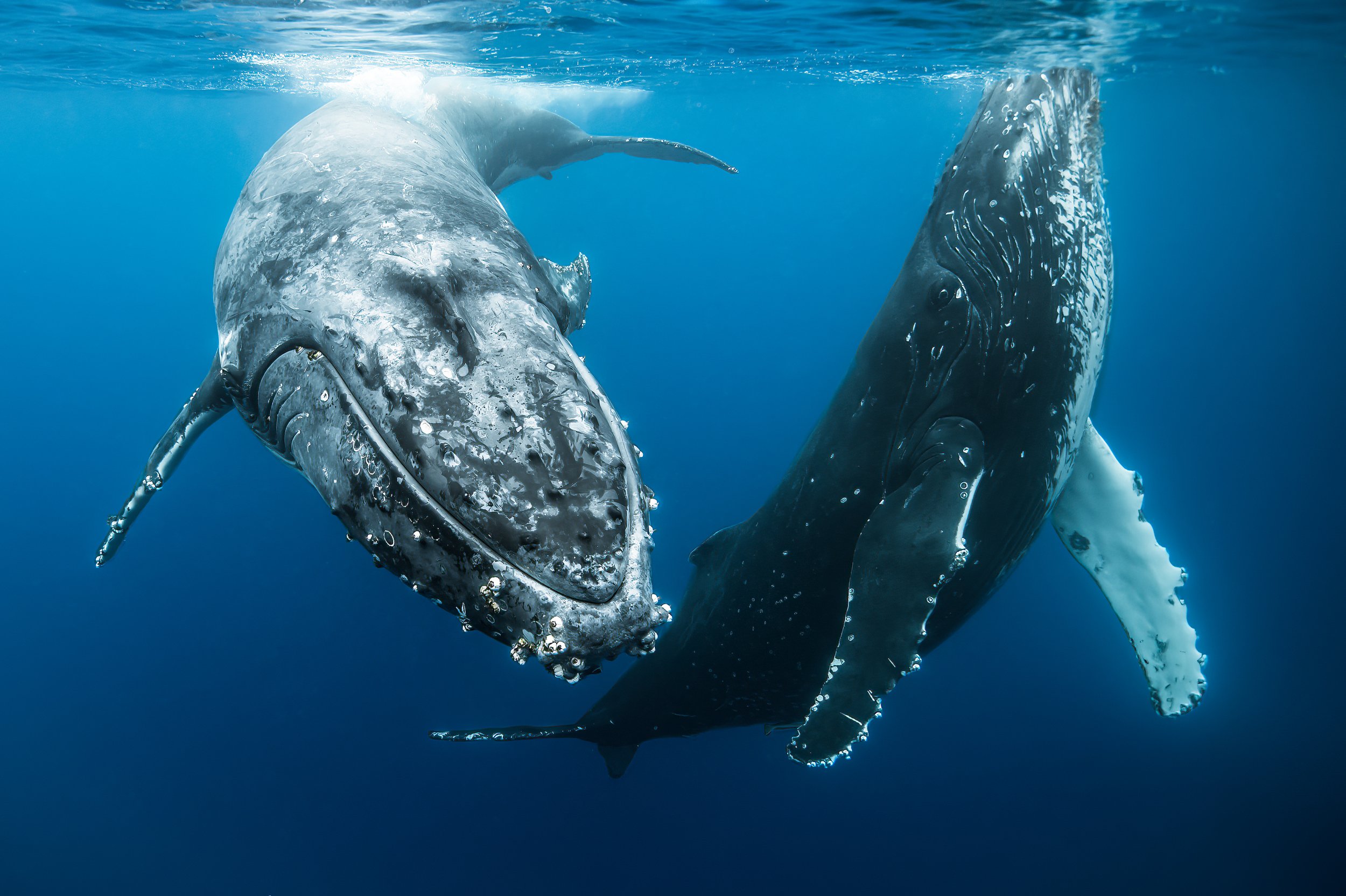
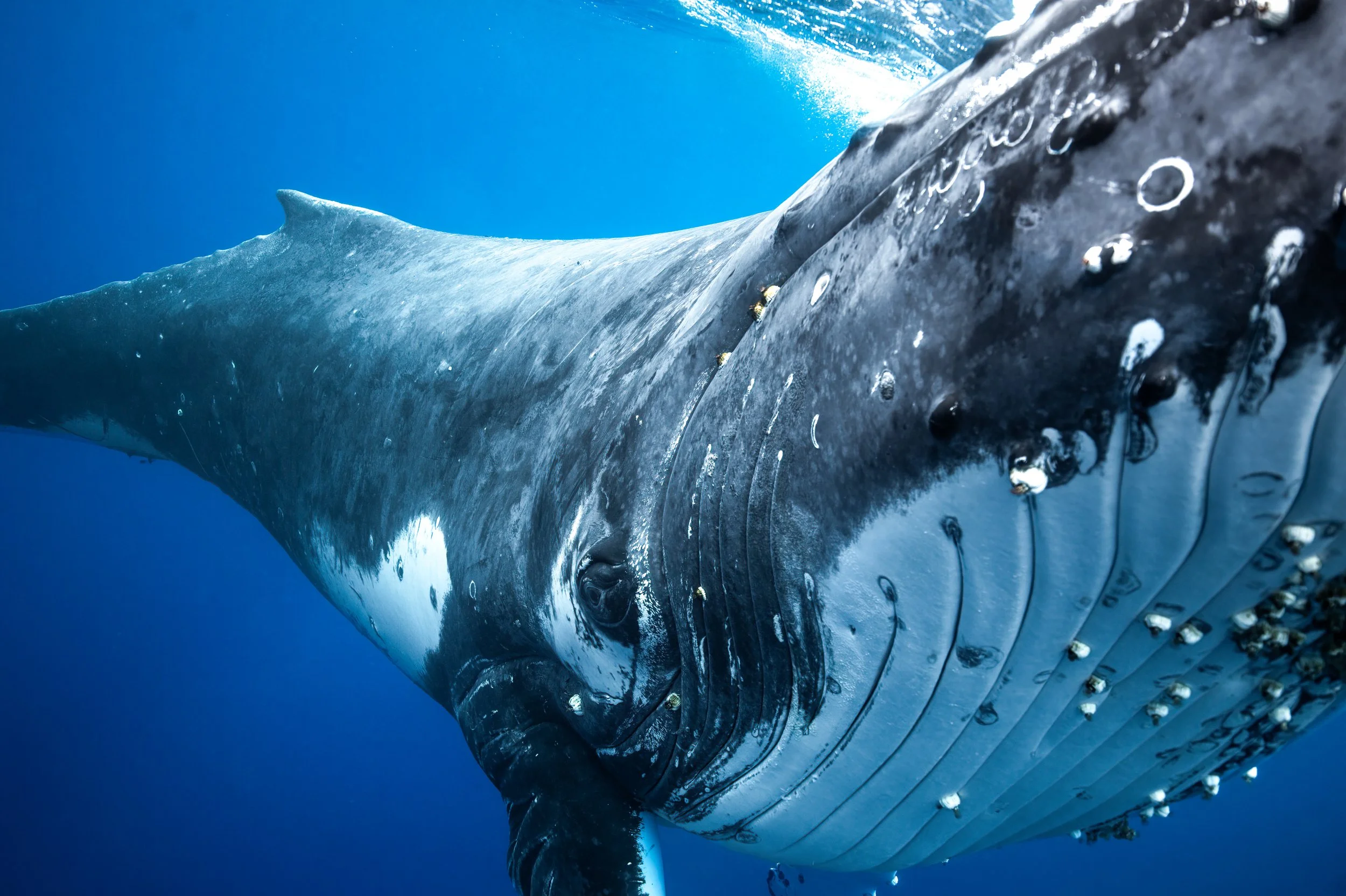
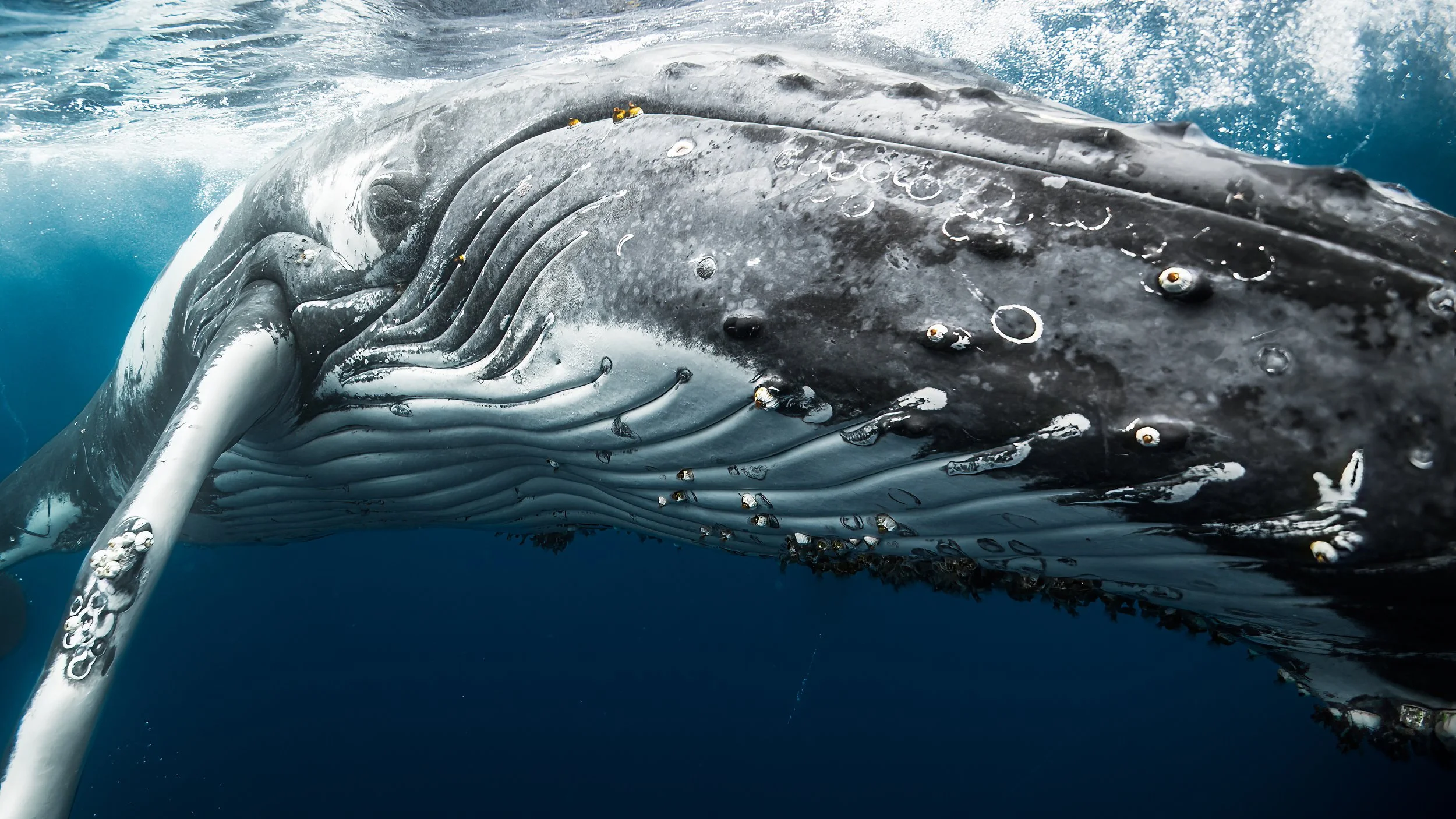
Close and Respectful Whale Encounters: Enjoy small, carefully managed group excursions that prioritize the well-being of the whales and their natural habitat.
Guidance from Experts: Benefit from the knowledge and experience of skilled marine guides dedicated to helping you make the most of your time with these incredible creatures.
Sustainable Comfort: Stay in cozy, eco-friendly beachfront cottages that blend rustic charm with environmental mindfulness, allowing you to fully immerse yourself in Tonga’s pristine surroundings.
Days Full of Adventure: From swimming with whales to kayaking and island hikes, each day offers exciting opportunities to explore. Evenings bring peaceful moments with breathtaking sunsets over the South Pacific.
This adventure is rated Moderate, on our activity scale. You should be comfortable snorkeling in open ocean conditions, which may include moderate waves and currents. While whale encounters are generally relaxed, they can occasionally require sustained swimming, especially if the whale is moving. Being prepared physically will help you fully enjoy these incredible moments.
Typical Day Includes:
Approximately 4 hours on the boat
Between 1 to 4 hours of snorkeling
Opportunities for kayaking and biking
Visits to local villages and cultural experiences
Whether you’re drawn by Tonga’s spectacular whale encounters, rich cultural heritage, or stunning landscapes, the islands offer a warm welcome and unforgettable experiences that captivate both photographers and traveler.
Who Should Join?
This journey is ideal for those who prioritize authentic adventure over luxury—perfect for photographers, wildlife lovers, and travelers who appreciate the beauty of nature and meaningful experiences.
Getting There
Tonga is accessed via Fuaʻamotu International Airport (TBU), located near the capital, Nukuʻalofa. The easiest and most reliable route from the United States is to fly from Los Angeles (LAX) to Auckland, New Zealand (AKL), with onward connections to Tonga on Air New Zealand or Fiji Airways. Some itineraries may also route through Fiji (Nadi – NAN) before continuing to Tonga.
Flights typically arrive in Tongatapu, where we connect onward to the Haʻapai region for the start of our adventure. While travel time is long, the journey is straightforward, and we’re happy to assist with flight planning to ensure smooth connections.
ELECTRICITY
Tonga operates on 240V at 50Hz, using Type I power plugs (the same as Australia and New Zealand). Travelers from the U.S. or Europe will need a plug adapter and possibly a voltage converter for their devices.
Rest Day
Please note that Sundays are observed as a national rest day in Tonga. Most businesses and services, including tour activities, pause on this day to honor local customs and traditions. No scheduled activities will take place on Sundays, providing a perfect opportunity to relax and reflect on your journey.